
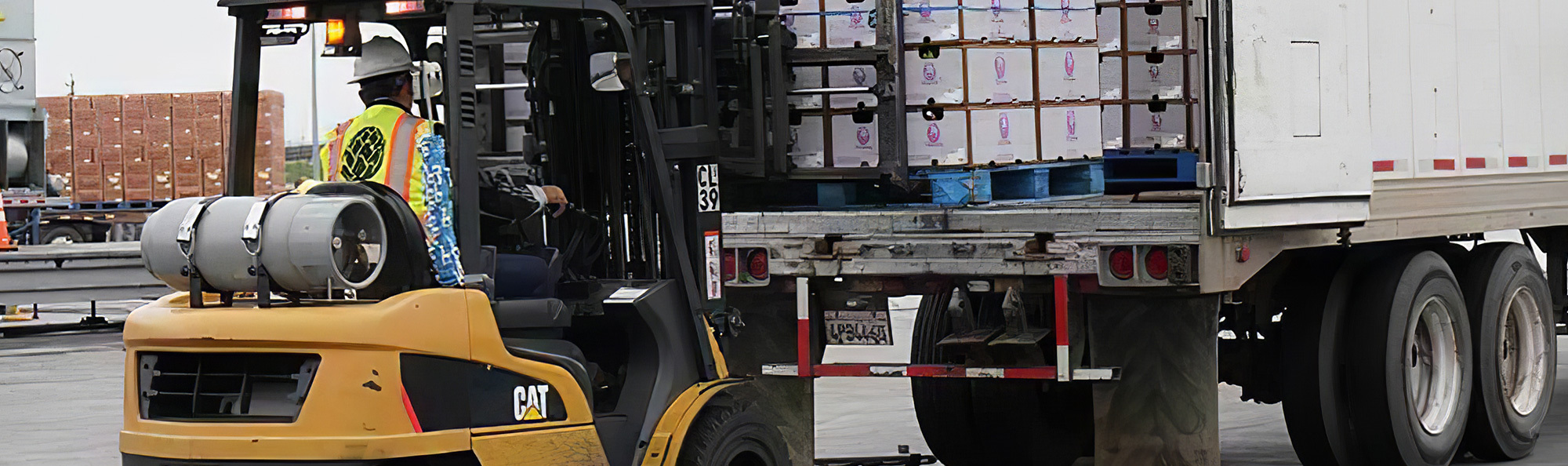
 Maybe it’s produce that has been linked to a pathogen-based recall. It could be repeated problems with incorrect or missing components. Perhaps it’s consistent customer complaints about spoilage or “off” tastes and odors.
Nothing is a sure thing, of course, but manufacturers and retailers can get as close as possible to optimal food safety and quality by partnering with approved suppliers that don’t struggle with these kinds of problems. There is a real and valuable assurance in receiving materials and products from manufacturers that have been certified to the SQF standards.
Teaming with pre-vetted suppliers has proven even more important over the past couple of years, as the supply chain has become both more complex due to COVID-19, logistical bottlenecks, and geopolitical upheaval. Those ongoing uncertainties can raise risks at a time when retailers, food service operators, and other purveyors can least afford them.
Here are five ways to build a strong approved supplier program:
Ultimately, working with SQF-approved suppliers strengthens your food safety and quality – and your brand. Their seal of approval can also be part of yours.
To learn more about How to Implement an Approved Supplier Program:
Check out an SQF training course
Use the free Approved Supplier Program SQF Edition 9 Guidance document

More than 800 food safety professionals from around the world gathered in St. Louis this week for SQF Unites 2026, marking the largest attendance in the event’s history.
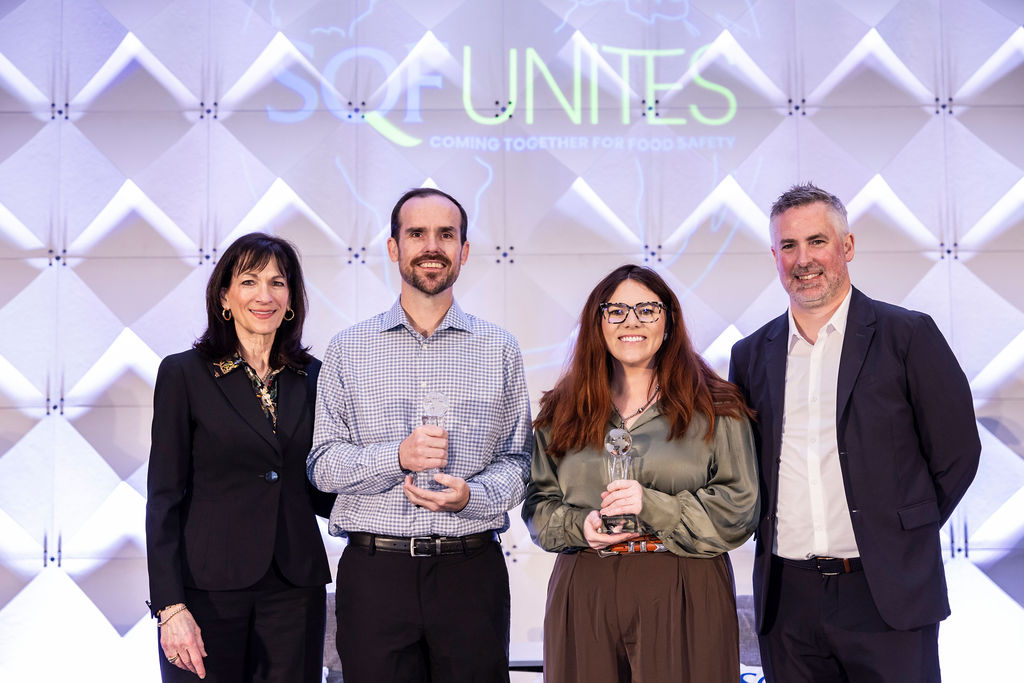
SQFI announces EAGLE Certification Group's Brian Shelton and Landmark Snacks' Emily Wagner as recipients of the 2026 SQF Excellence Awards at the 2026 SQF Unites conference in St. Louis.
With Edition 10 audits arriving as early as Jan. 2, 2027, sites that start closing gaps today will walk into their audit with far more confidence than those scrambling at the end of 2026.
Privacy Policy |
Terms of Use
251 18th Street S., Suite 1200 Arlington, VA 22202 | Phone: (202) 220-0635
© SQFI. All Rights Reserved.
Web Design & Development by Matrix Group International, Inc.

