
 With the release of the SQF Code Edition 8, we made some important changes to strengthen and improve our program. One of the major changes we made was to the environmental monitoring requirement. In our May Newsletter, we explore the changes we made, dive deeper into the reasoning of why we made the change, and provide you with solutions on conducting a successful risk assessment.
Environmental monitoring was previously listed within the GMP module. In Edition 8, we moved it to the system elements portion of our code. What we were finding is that sites weren’t identifying how they were assessing environmental monitoring in their facility, rather they were arguing why they were not a high risk facility. While we expect all food manufacturing sites to have environmental monitoring as part of their risk assessment, the level of the environmental monitoring program is based on the risk of the food manufacturing site.
This is not a mandatory element, so you may have some sites that can be exempt, or view this element as not applicable, but the site first needs to conduct a risk assessment to identify their environmental needs. However, the needs of the site can vary. The site could need an annual assessment or a daily assessment; it just depends on the risk to that facility.
The environmental monitoring approach hasn’t changed with what was put into module 11 and neither has the definition.

More than 800 food safety professionals from around the world gathered in St. Louis this week for SQF Unites 2026, marking the largest attendance in the event’s history.
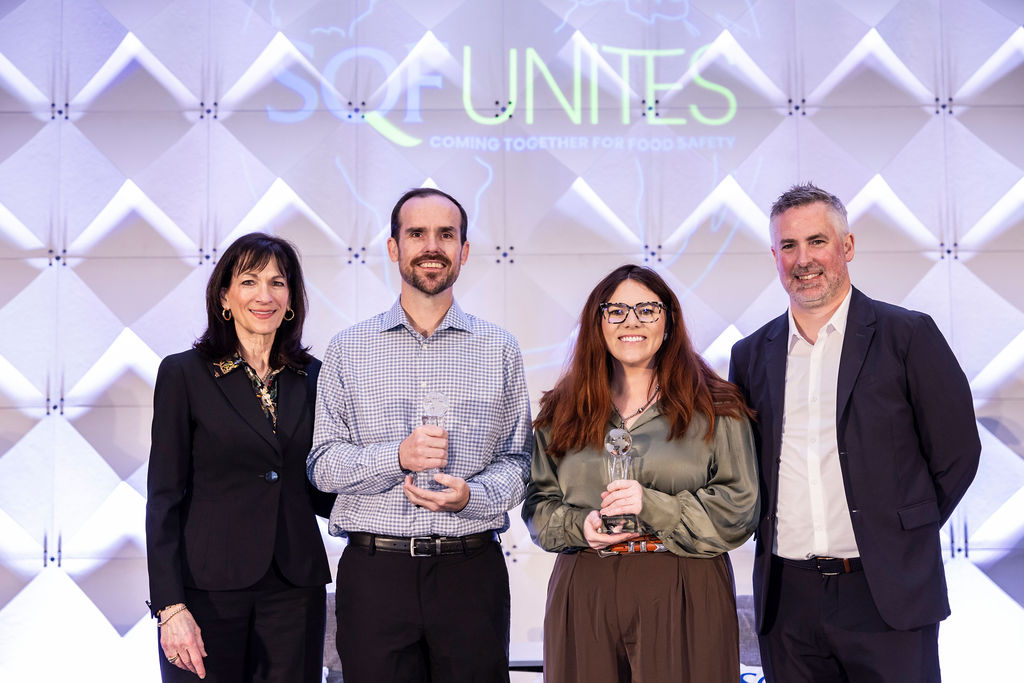
SQFI announces EAGLE Certification Group's Brian Shelton and Landmark Snacks' Emily Wagner as recipients of the 2026 SQF Excellence Awards at the 2026 SQF Unites conference in St. Louis.
With Edition 10 audits arriving as early as Jan. 2, 2027, sites that start closing gaps today will walk into their audit with far more confidence than those scrambling at the end of 2026.
Privacy Policy |
Terms of Use
251 18th Street S., Suite 1200 Arlington, VA 22202 | Phone: (202) 220-0635
© SQFI. All Rights Reserved.
Web Design & Development by Matrix Group International, Inc.

